Trekking in Nepal — A Complete Beginner's Guide
Nepal invented teahouse trekking, and it remains the easiest place on earth to walk among 8,000-metre peaks: marked trails, lodges with hot meals every two hours, and a support industry that can organise everything or nothing, as you prefer. Here's what first-timers actually need to know.
How Teahouse Trekking Works
Forget tents. On Nepal's main routes you walk lodge to lodge, sleeping in simple twin rooms and eating in wood-stove dining halls. A day is typically 4–7 hours of walking with a long lunch stop. Rooms cost little on the understanding that you eat where you sleep; dal bhat — unlimited refills — is the trail's engine.
Choosing Your First Trek
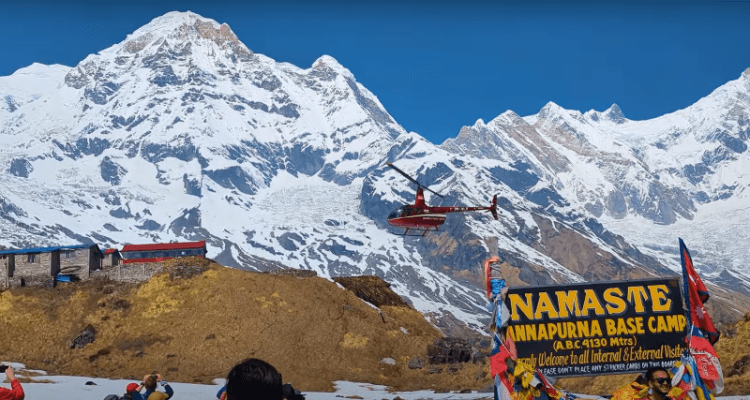
| Trek | Days | Max altitude | Why | | --- | --- | --- | --- | | Ghorepani–Poon Hill | 3–4 | 3,210 m | The perfect first taste | | Langtang Valley | 7–8 | ~3,900 m | Quiet, close to Kathmandu | | Annapurna Base Camp | 7–10 | 4,130 m | Amphitheatre of peaks | | Everest Base Camp | 12–14 | 5,364 m | The icon; needs time to acclimatise | | Annapurna Circuit | 12–16 | 5,416 m | The full traverse, huge variety |
Starting from Pokhara with limited days? See our short hikes near Pokhara.
Permits
Most treks need two pieces of paper, arranged in a day in Kathmandu or Pokhara (agencies do it for a small fee):
- Conservation-area permit (ACAP for Annapurna, Sagarmatha National Park entry for Everest, etc.)
- TIMS card (Trekkers' Information Management System)
Note: regulations evolve — guide requirements and permit rules have changed several times in recent years, so confirm current rules when you book. Restricted regions like Upper Mustang need special permits and a registered guide regardless.
Guide, Porter, or Independent?
- Guide (~$25–35/day): navigation, lodge negotiation in peak season, culture and safety. Transformative for first-timers.
- Porter (~$20–25/day): carries up to ~15 kg, turning a slog into a walk.
- Guide-porter combos split the difference.
Hire through a reputable agency that insures its staff.
Altitude — The Part to Take Seriously
Above 3,000 m, ascend conservatively: sleep no more than ~500 m higher than the previous night, build in acclimatisation days, and treat persistent headache, nausea or confusion as a signal to descend. Diamox helps many people; talk to a travel-medicine doctor before you fly.
Packing Essentials
Broken-in boots, layered clothing (down jacket for evenings even on "easy" treks), sleeping-bag liner or 3-season bag, water purification (tablets or filter — skip buying plastic bottles), headlamp, power bank, sun protection, and cash — there are no ATMs on the trail. Anything you forget can be bought or rented cheaply in Thamel or Pokhara Lakeside.
When to Go
October–November and March–April are prime; winter works for lower routes; monsoon sends trekkers to the rain-shadow of Mustang. Full breakdown in the best time to visit Nepal.
Insurance
Get a policy that explicitly covers trekking to your maximum altitude and helicopter evacuation. Standard travel insurance often caps at 3,000 m — read the fine print.
Browse trekking packages on GatewayToNepal — explore guided treks on our Things to Do page. Online booking is coming soon.